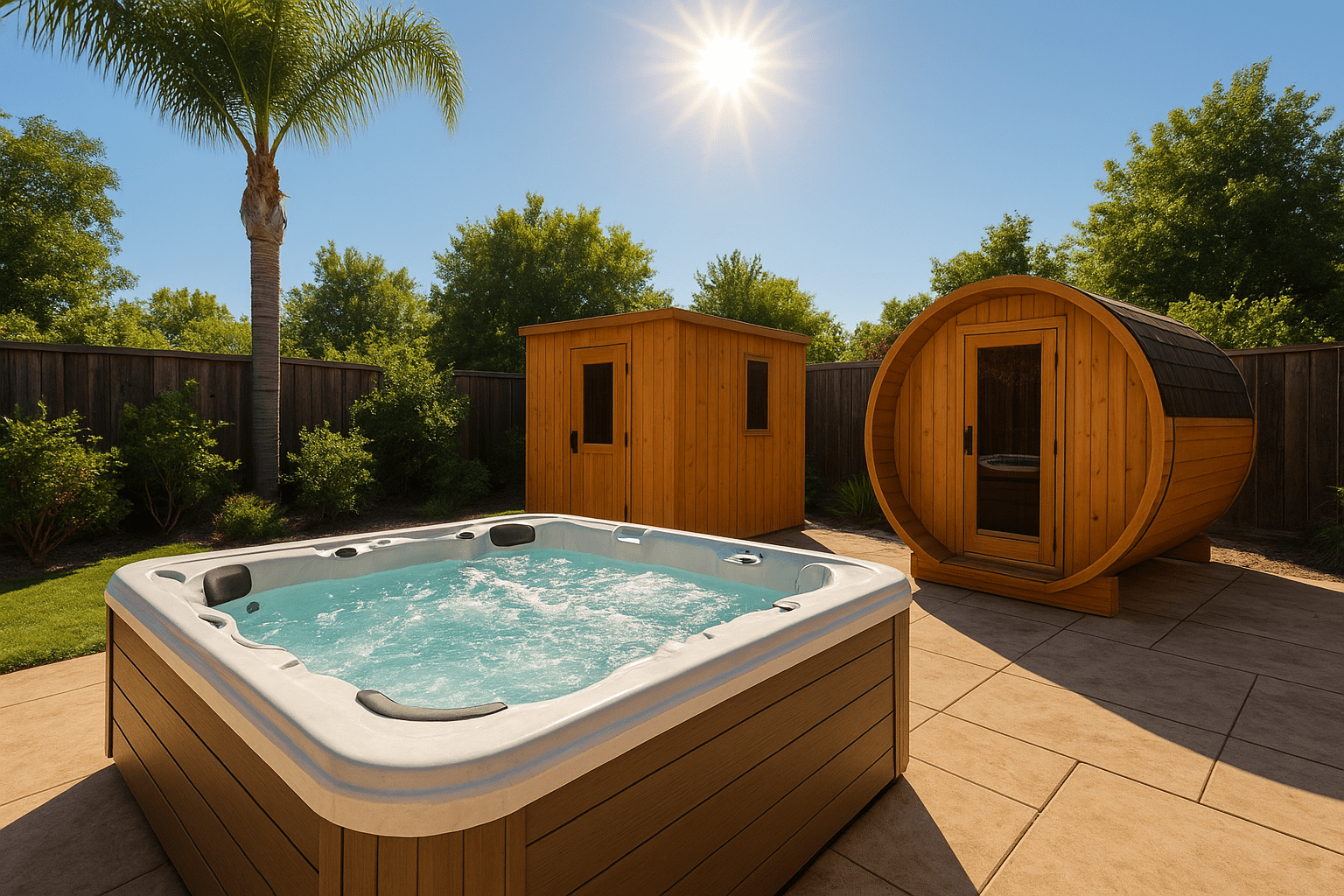
Outdoor heat gear like hot tubs, saunas, and fire pits can transform your backyard into a relaxing oasis. But without proper precautions, these cozy comforts can quickly become hazardous. The combination of high heat, water, electricity, and fire requires careful handling to prevent burns, shocks, carbon monoxide poisoning, and even structure fires.
The good news? Most accidents are completely preventable with basic safety knowledge. Whether you’re installing new equipment or using existing gear, understanding these risks helps ensure years of safe enjoyment. Let’s examine the most frequent safety oversights and how to avoid them.
Proper Site Preparation Matters
Many safety issues stem from poor installation choices. Hot tubs and saunas demand stable, well-planned locations. A filled hot tub’s immense weight – often exceeding 6,000 pounds – requires reinforced concrete or properly compacted gravel bases to prevent shifting or collapse.
Fire safety clearances aren’t suggestions – they’re lifesaving requirements. Wood-burning saunas need minimum three-foot buffers from any combustible materials, though local codes may mandate greater distances. Always verify drainage plans too, as poor water runoff creates slippery hazards and potential foundation damage.
Fire Safety With Wood-Burning Equipment
That crackling fire may look inviting, but wood-burning gear demands respect. Only use properly seasoned hardwoods with low moisture content to minimize dangerous creosote buildup in chimneys. Store firewood at least thirty feet from structures, elevated and covered while allowing airflow.
Annual professional chimney cleaning is non-negotiable – it removes flammable deposits and identifies worn components before they fail. Never overload fireboxes or override temperature controls, as overfiring can warp metal and spark devastating fires. Keep multiple fire extinguishers accessible near all heat sources.
The Invisible Threat: Carbon Monoxide
Colorless, odorless carbon monoxide claims lives every year when ventilation fails. Even outdoor installations can trap deadly gases under certain wind conditions. Always position wood-burning equipment where prevailing winds promote airflow, and install CO detectors rated for humid environments.
Test detectors monthly and replace batteries annually. Never operate multiple combustion devices simultaneously in enclosed spaces, and be particularly cautious during unusual weather patterns that might limit natural ventilation.
Electrical Safety Around Water
Water and electricity create potentially lethal combinations. All hot tubs require GFCI-protected circuits installed by licensed electricians – never use extension cords as permanent solutions. Inspect electrical components seasonally for weather damage, and immediately replace any frayed wiring or corroded connections.
Maintain dry zones around control panels, and ensure all outdoor outlets have proper weatherproof covers. Remember – electrical safety devices only protect when functioning correctly, so test GFCIs monthly using their built-in test buttons.
Smart Usage Practices
Even perfectly installed equipment becomes dangerous with irresponsible use. Limit hot tub sessions to 15-20 minutes at temperatures below 104°F to prevent overheating. Saunas can reach higher temperatures, but decrease session length accordingly – your body gives warning signs like dizziness or nausea for good reason.
Stay hydrated with water before and after heat exposure, and absolutely avoid alcohol which impairs judgment and accelerates dehydration. Always supervise children, as their smaller bodies overheat faster. Those with medical conditions should consult doctors before regular heat therapy.
Invest in Quality for Peace of Mind
Cutting corners on equipment quality invites safety compromises. Look for third-party certifications like UL or ETL listings that verify rigorous testing. Reputable suppliers like Backcountry Recreation offer durable, safety-engineered options designed for worry-free operation.
Conclusion
Safety transforms outdoor heat gear from potential hazard to therapeutic haven. By respecting fire, water, and electricity while following manufacturer guidelines, you create a backyard retreat that’s as safe as it is relaxing.